Coastal cities
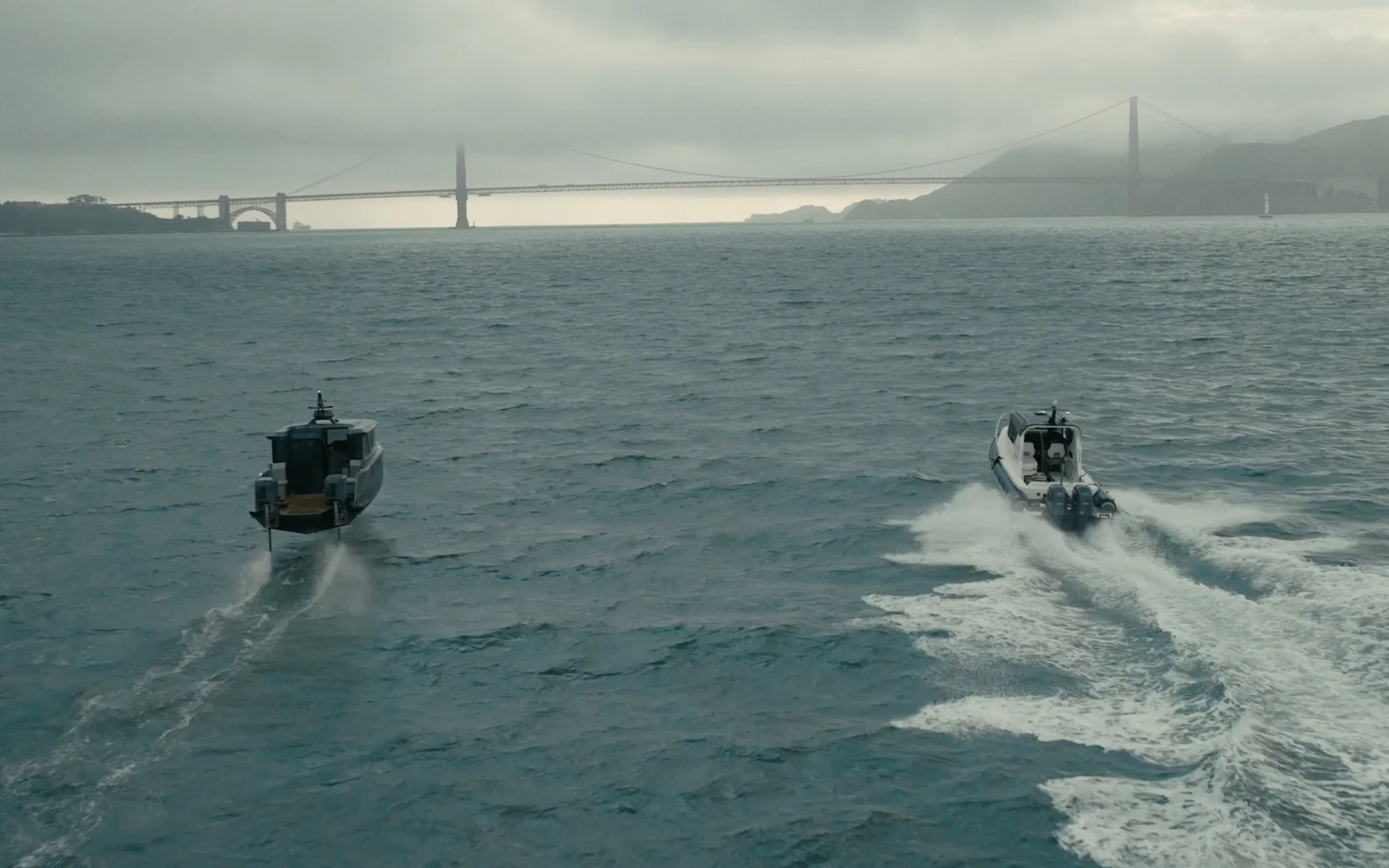
Skip the traffic on the bridge.
Commercial
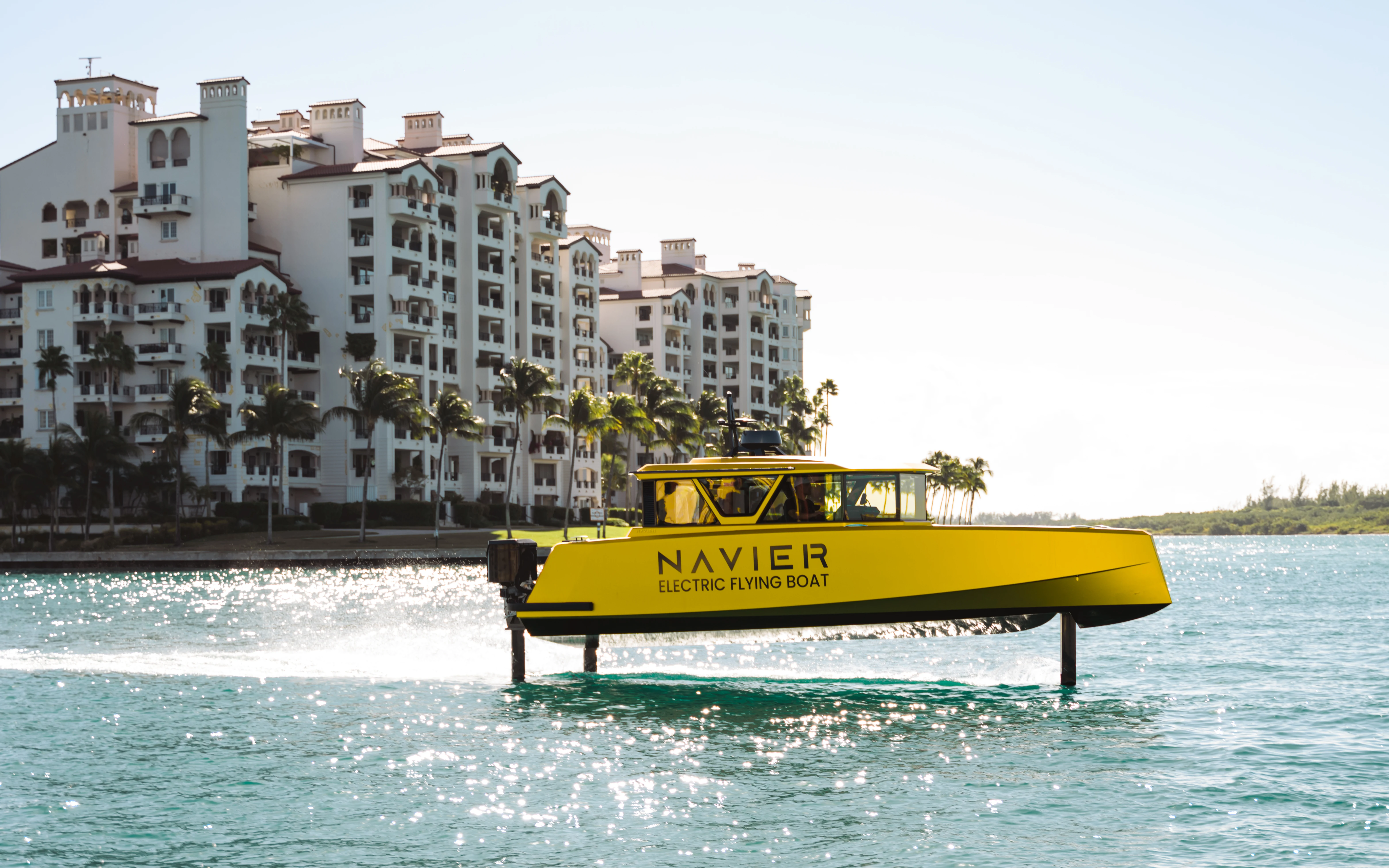
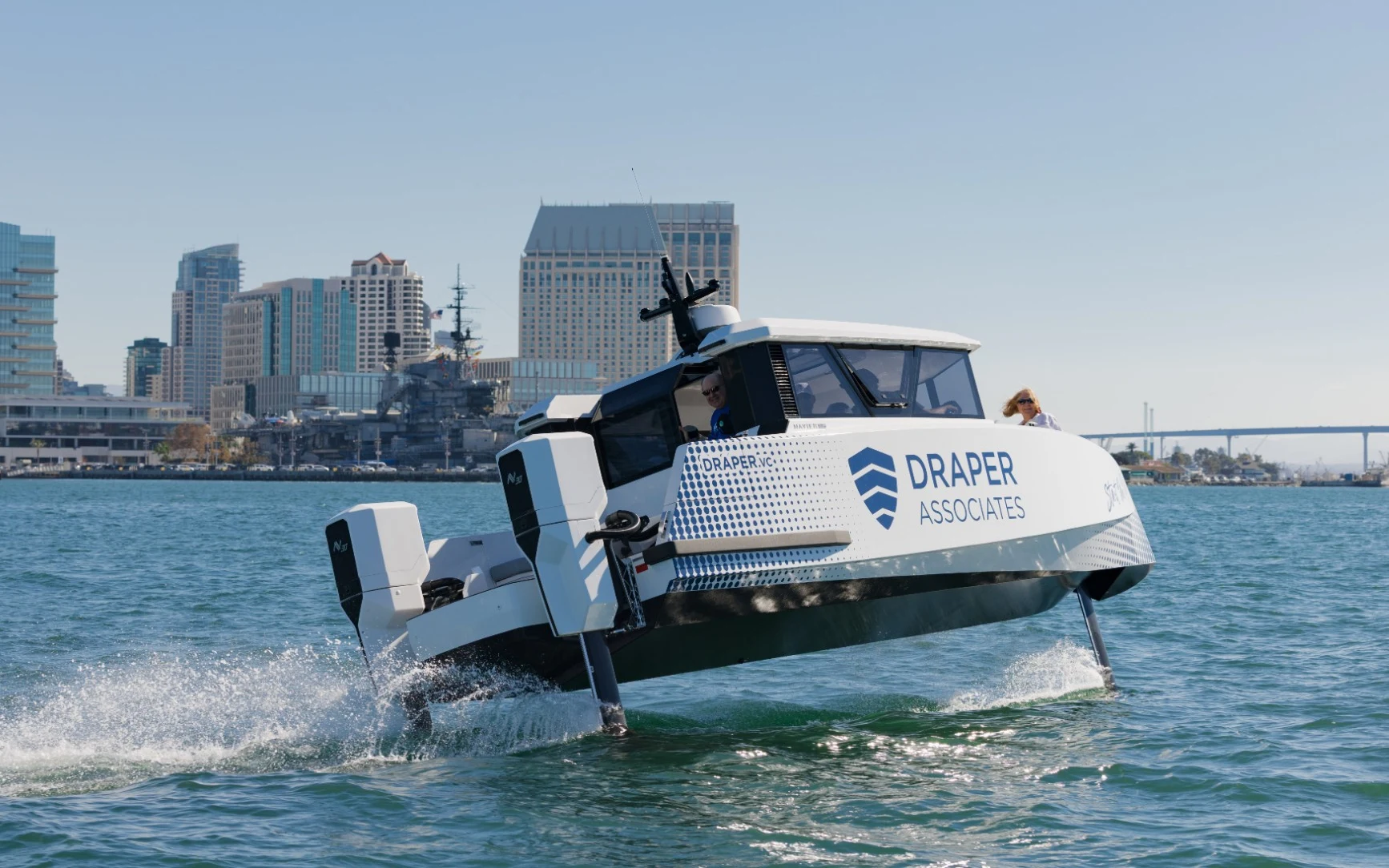
Quiet, smooth and free of fumes. Navier vessels fly above the water, and come with the network to run them.
Transportation
About 40% of the world lives near a coast, yet water travel never got the standard that land and air did. The choice is still a slow ferry or a conventional boat that makes people seasick, while the bridge beside it sits in traffic.
Navier is bringing one standard of fast water transport, for people and goods, to the places that need it. We start with crewed vessels, and the autonomy stack is already built. The goal is Quanta robotaxis on the water: fleets that operators can scale and run at a profit, connecting islands and opening up waterways.
Energy is where it starts. A Navier vessel uses up to 90% less energy per mile than a conventional boat. As fuel prices rise and swing, that changes which routes make money. It is also cleaner and quieter.
Skip the traffic on the bridge.
Replace the rough, noisy boat transfer.
No fuel in the water and no fumes in the air.
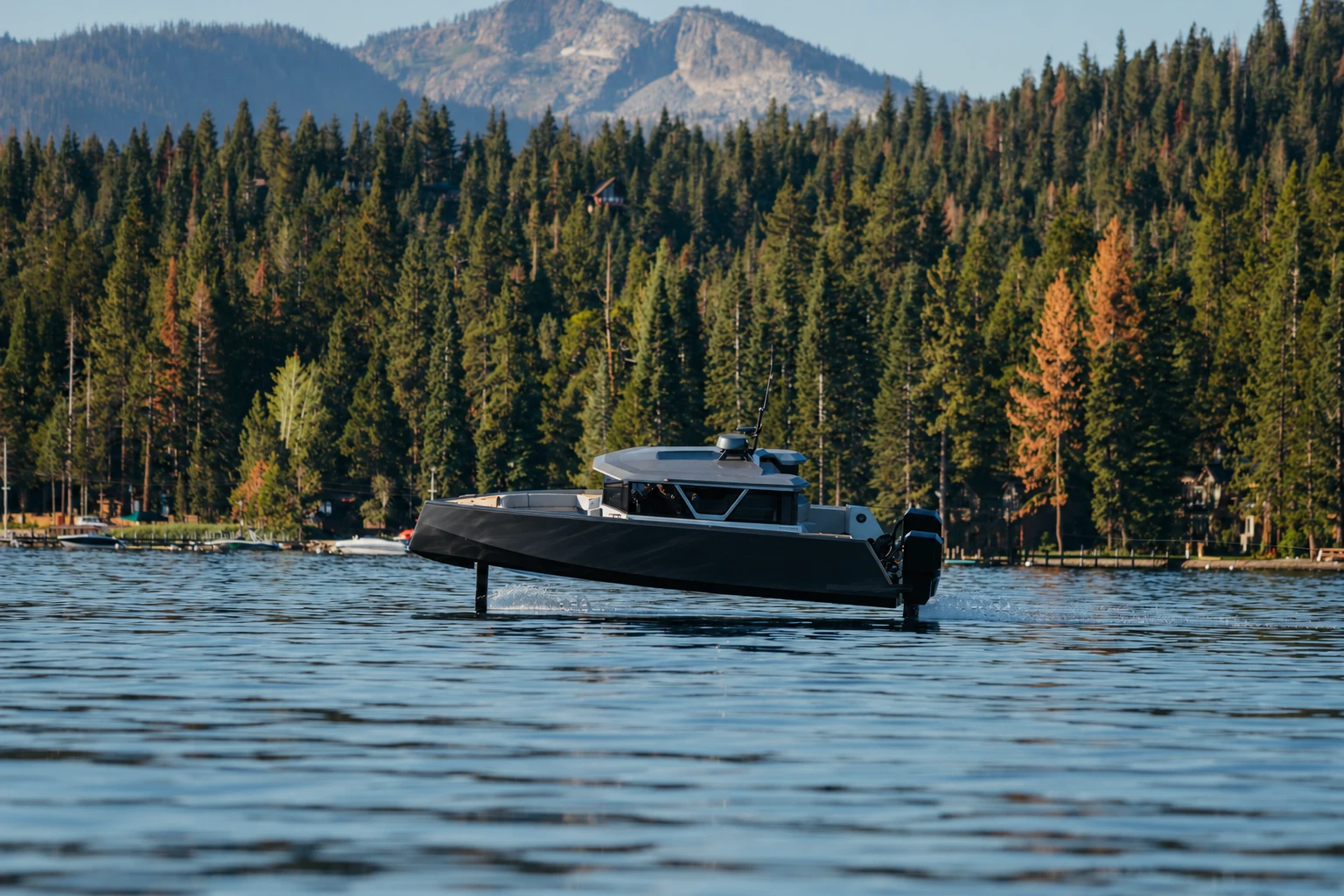
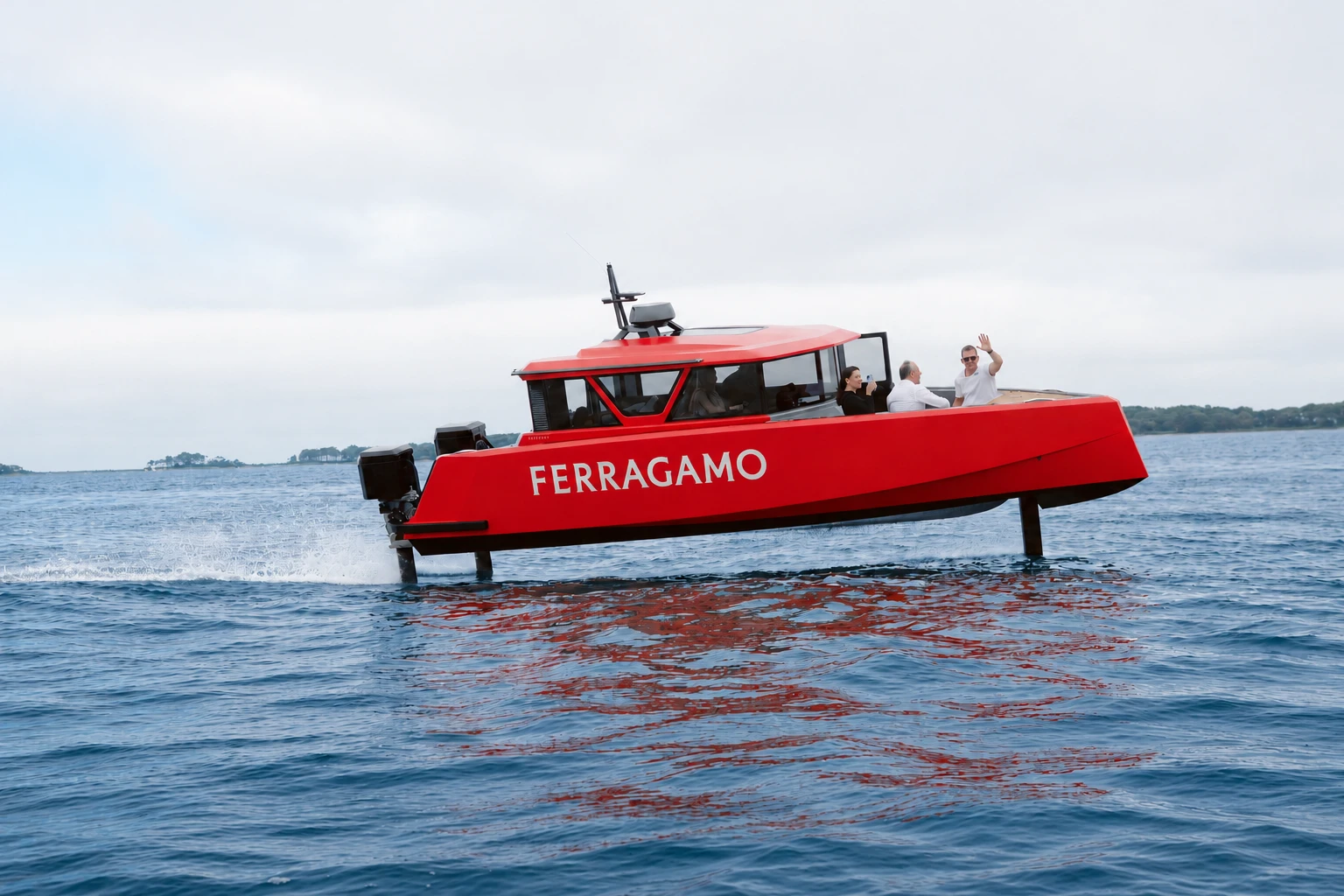
All-electric Pioneer Shuttles or hybrid Quanta. You don’t need to develop shoreside fast charging to get started. Start with what your routes need, and grow from there. 30 ft vessels available now. 45 ft from 2028.
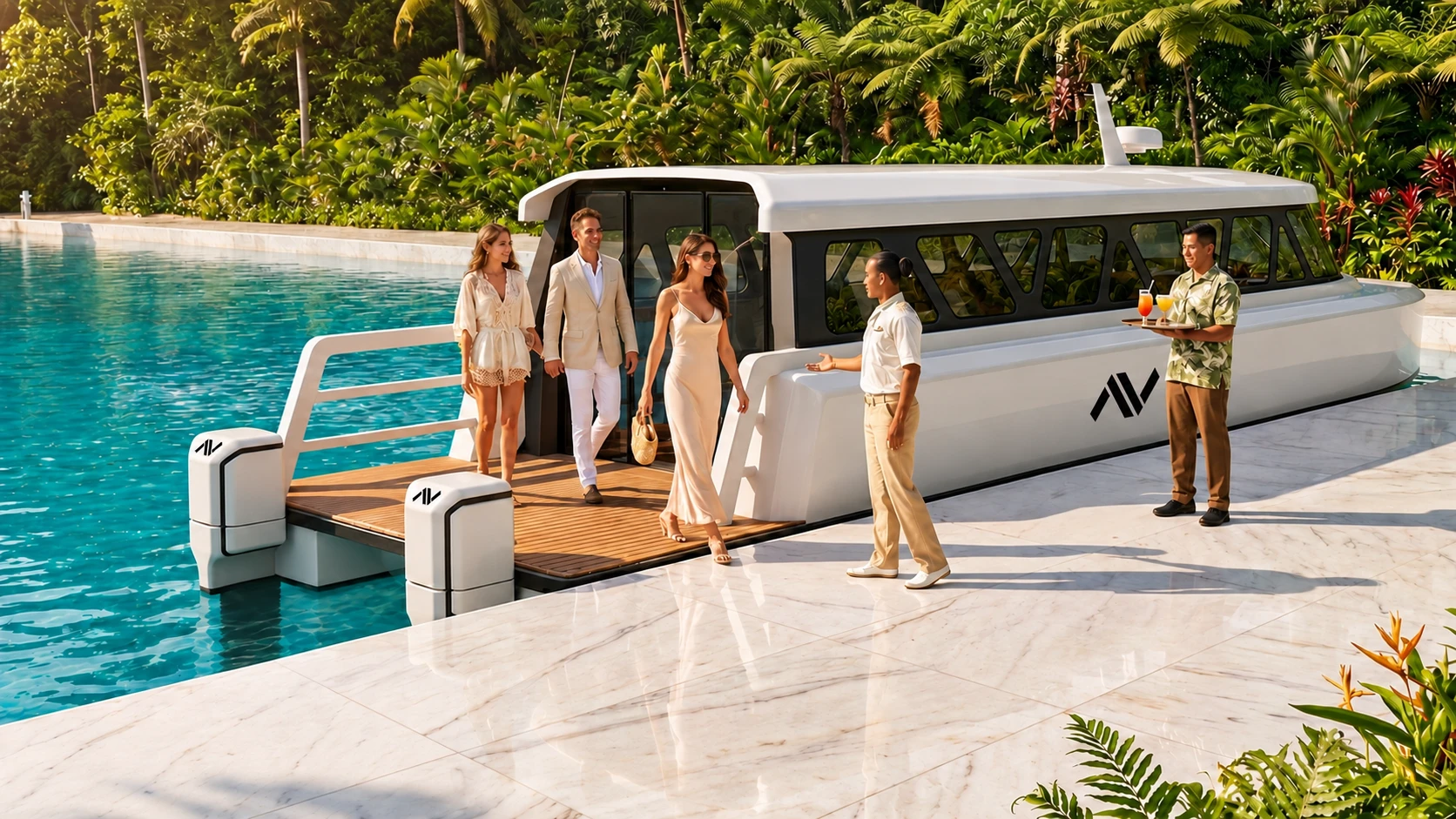
The world’s best island and waterfront resorts prioritize sustainability, eliminate plastic and bring you closer to nature, but there remains a gap with guests still arriving on a conventional speedboat. The transfer is the last part of the stay that hasn’t caught up. That’s where Navier began. Luxury travel and hospitality were our first adopters, and the same vessels are now coming to cities.
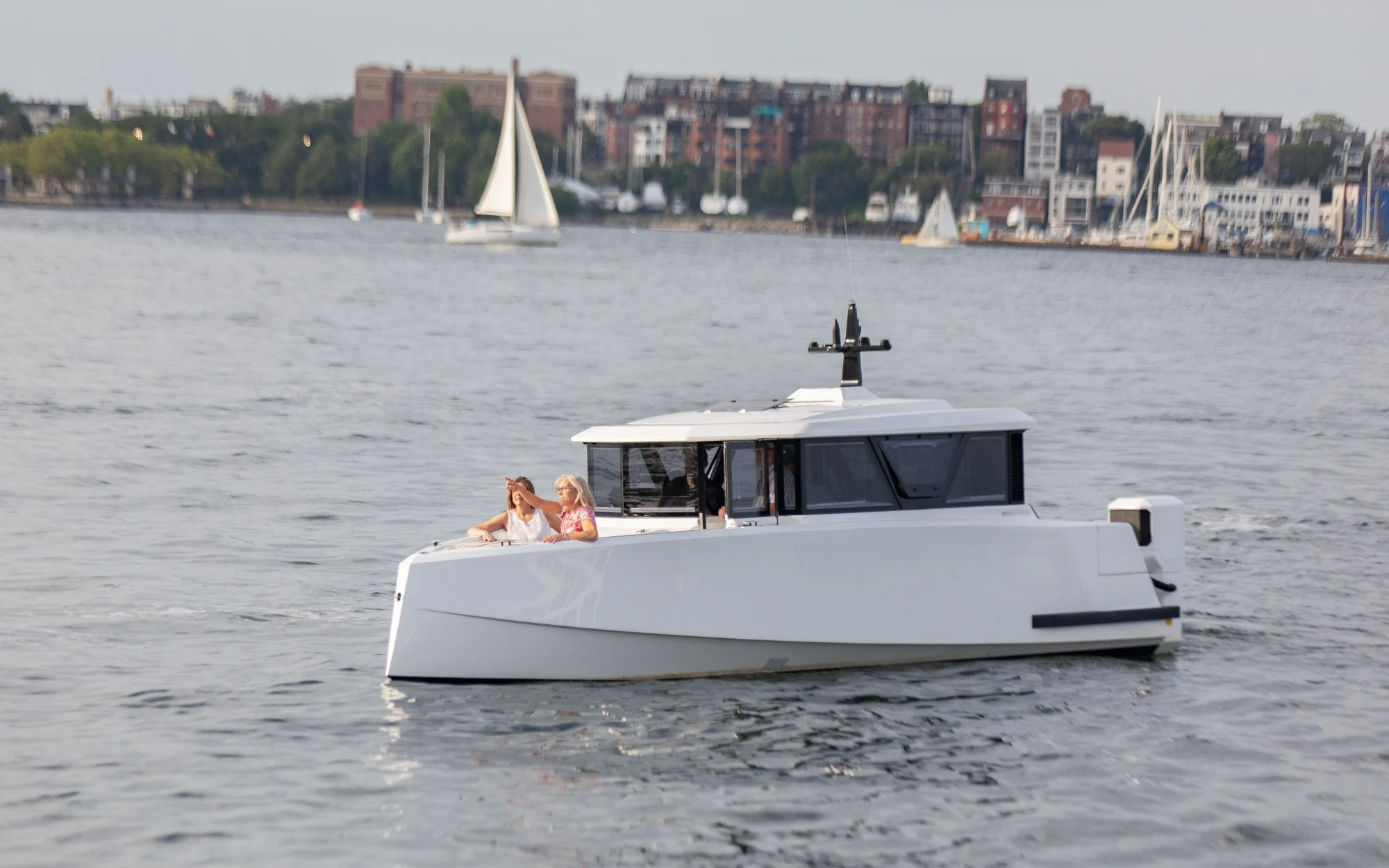
A quiet, stable, fume-free arrival that feels like part of the stay.
Up to $96,0001 a year saved per vessel on fuel and power, modeled below.
Dedicated Navier fleets for resorts and island operators, from the airport dock to the villa.
Larger vessels on the same platform, for ferries and coastal cities.
Crew, cargo and resupply runs on the same platform.
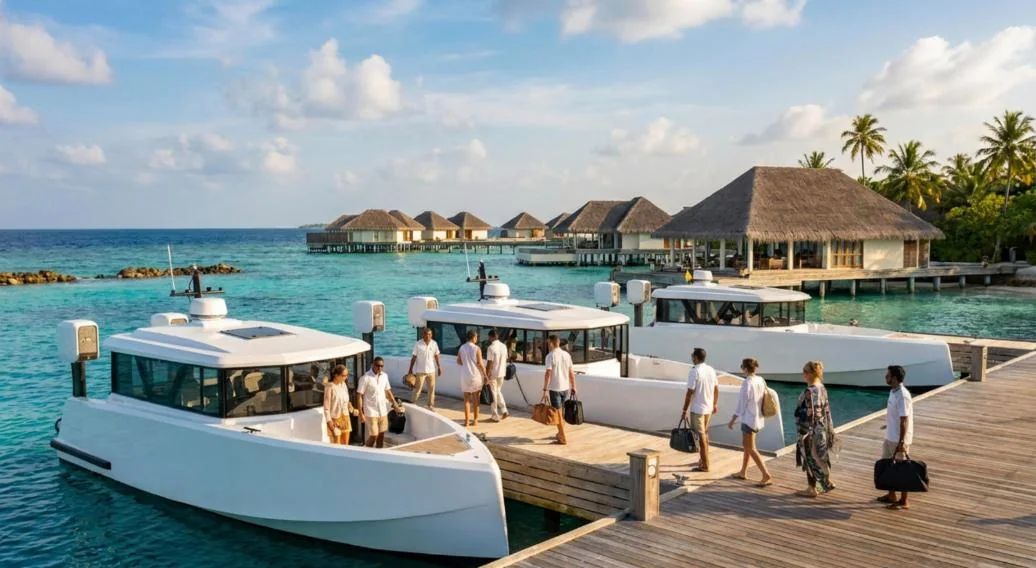
Your concierge greets you as you land and takes your bags as you board.
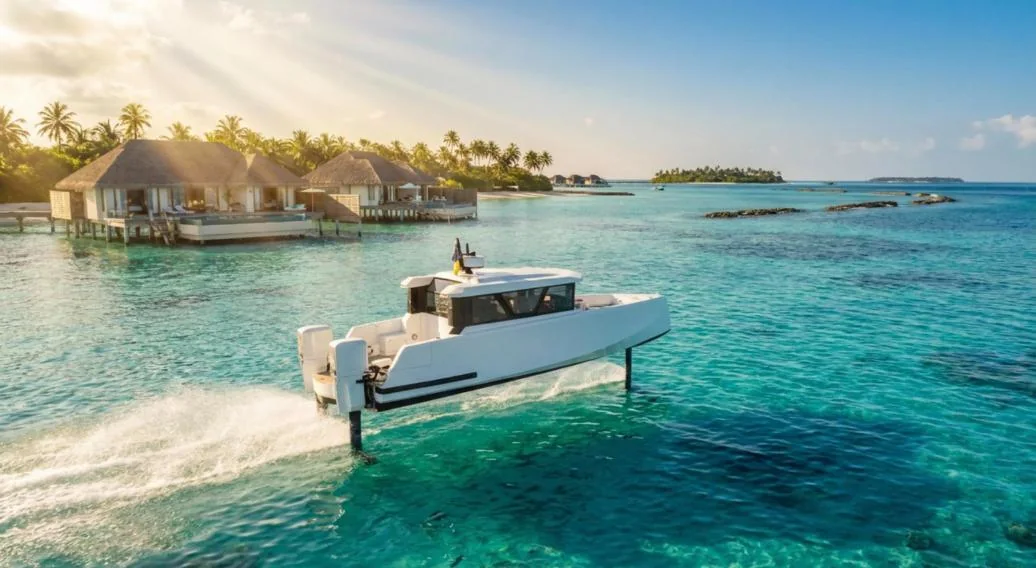
The boat lifts above the waves. Quiet, smooth, and one with nature.
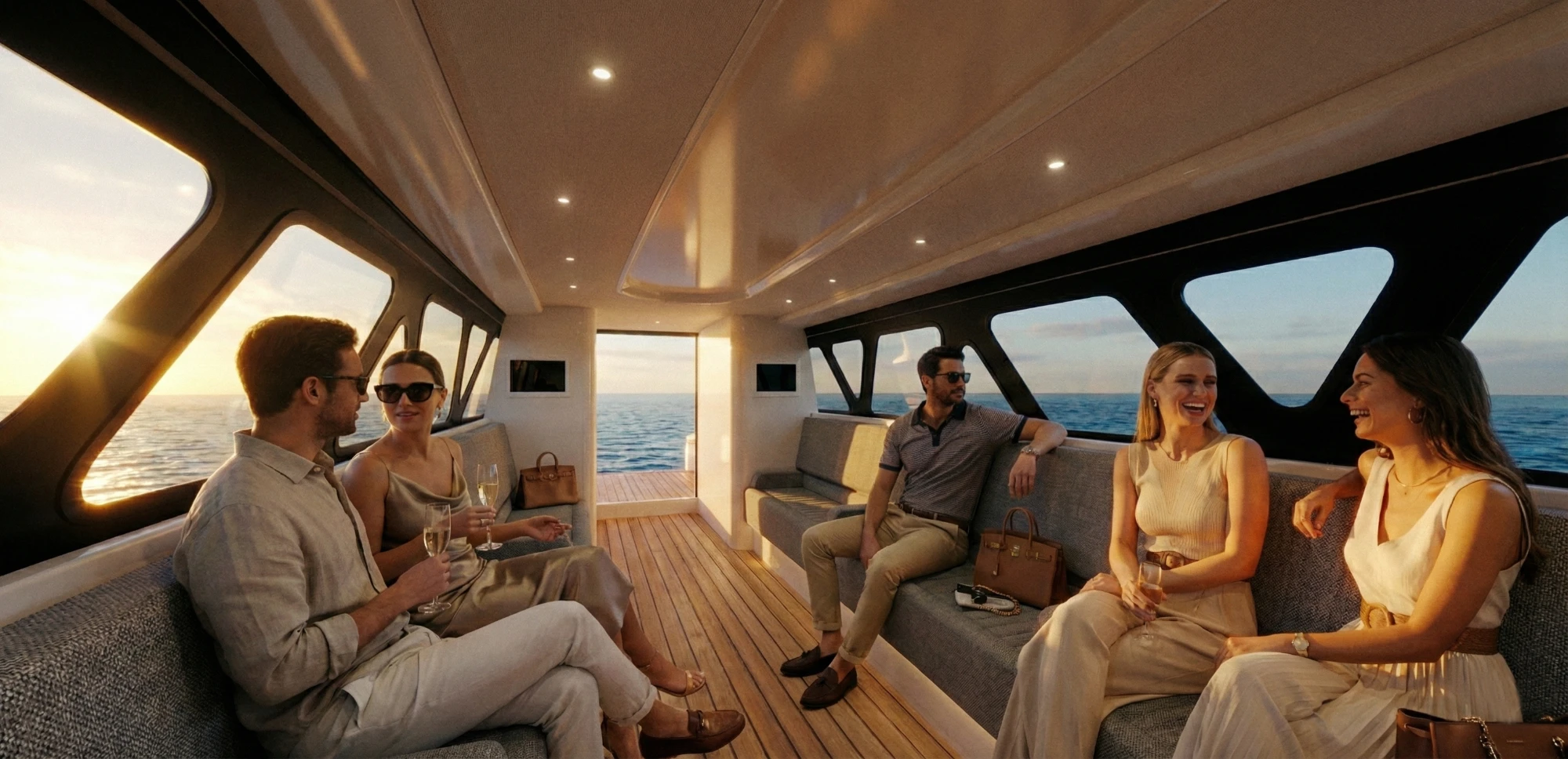
The same hospitality as your resort, on the water. Light bites and your favorite drink, made the way you like it.
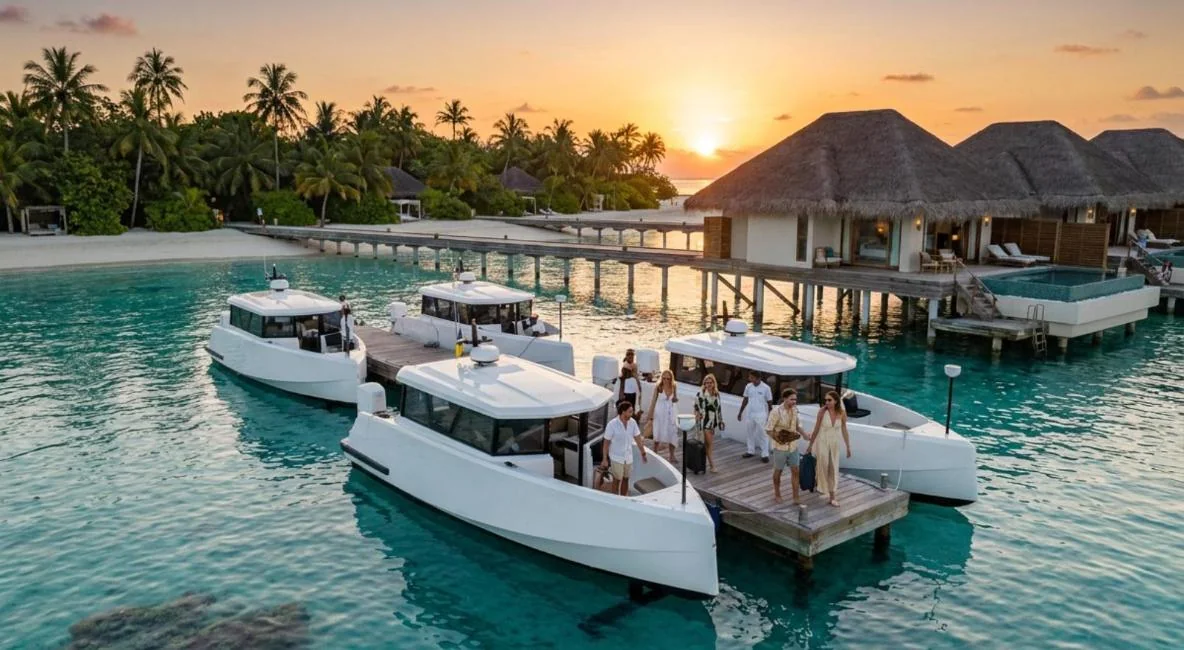
Arrive refreshed, your bags with you. The journey is part of the stay.
Networks
Thousands of conventional boats work the Maldives today, and the country aims for net zero by 2030. With JIH Global Investment, Navier is building a national network of up to 100 vessels that links the airport, resorts and islands.
“One of the largest early tests of electrified maritime transportation infrastructure.”The Wall Street Journal
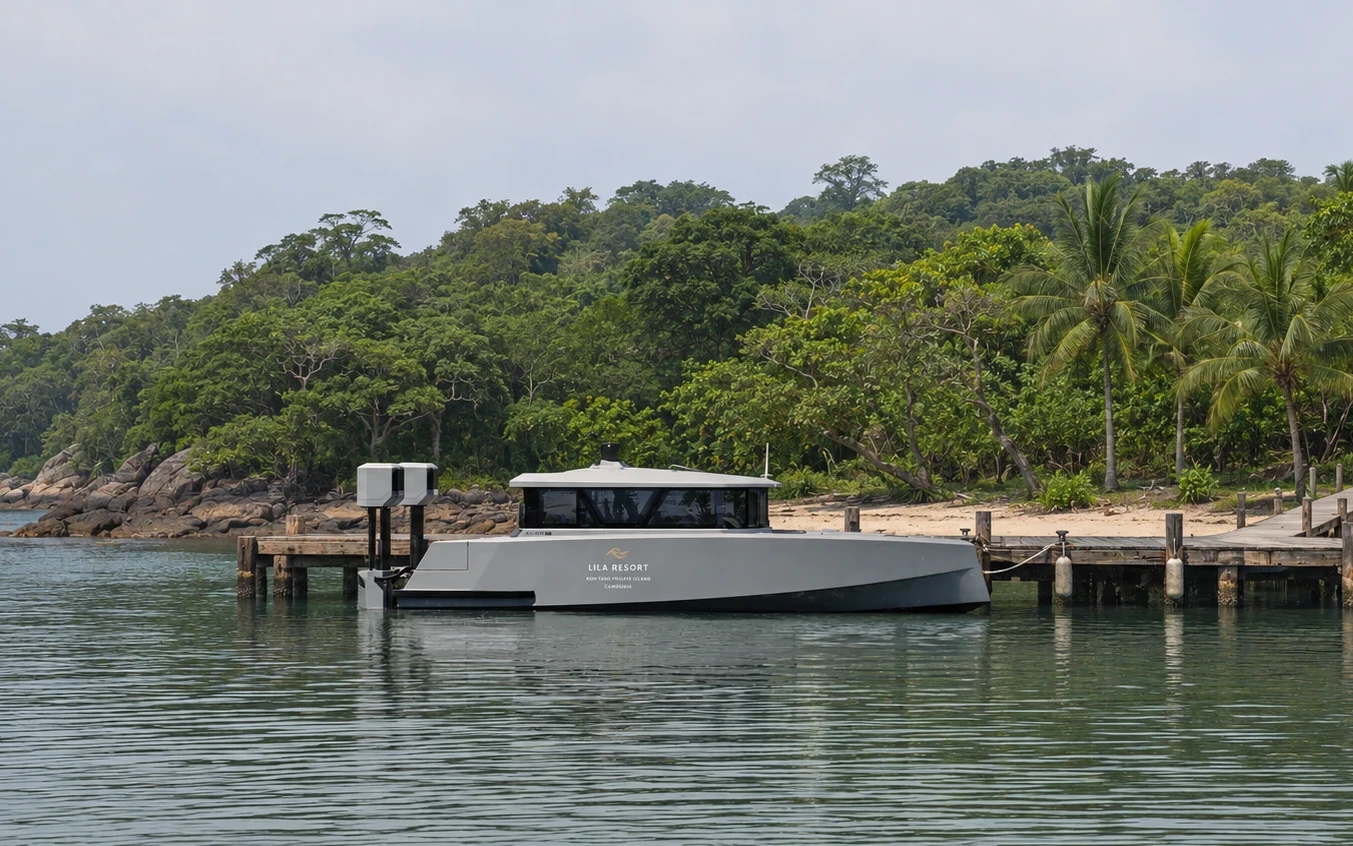
From the Maldives to Cambodia, French Polynesia, the Caribbean and the Middle East, Navier is partnering with hospitality groups and operators across the globe — including a fleet partnership with WorldBridge Group in Cambodia, announced in April 2026.
City transport
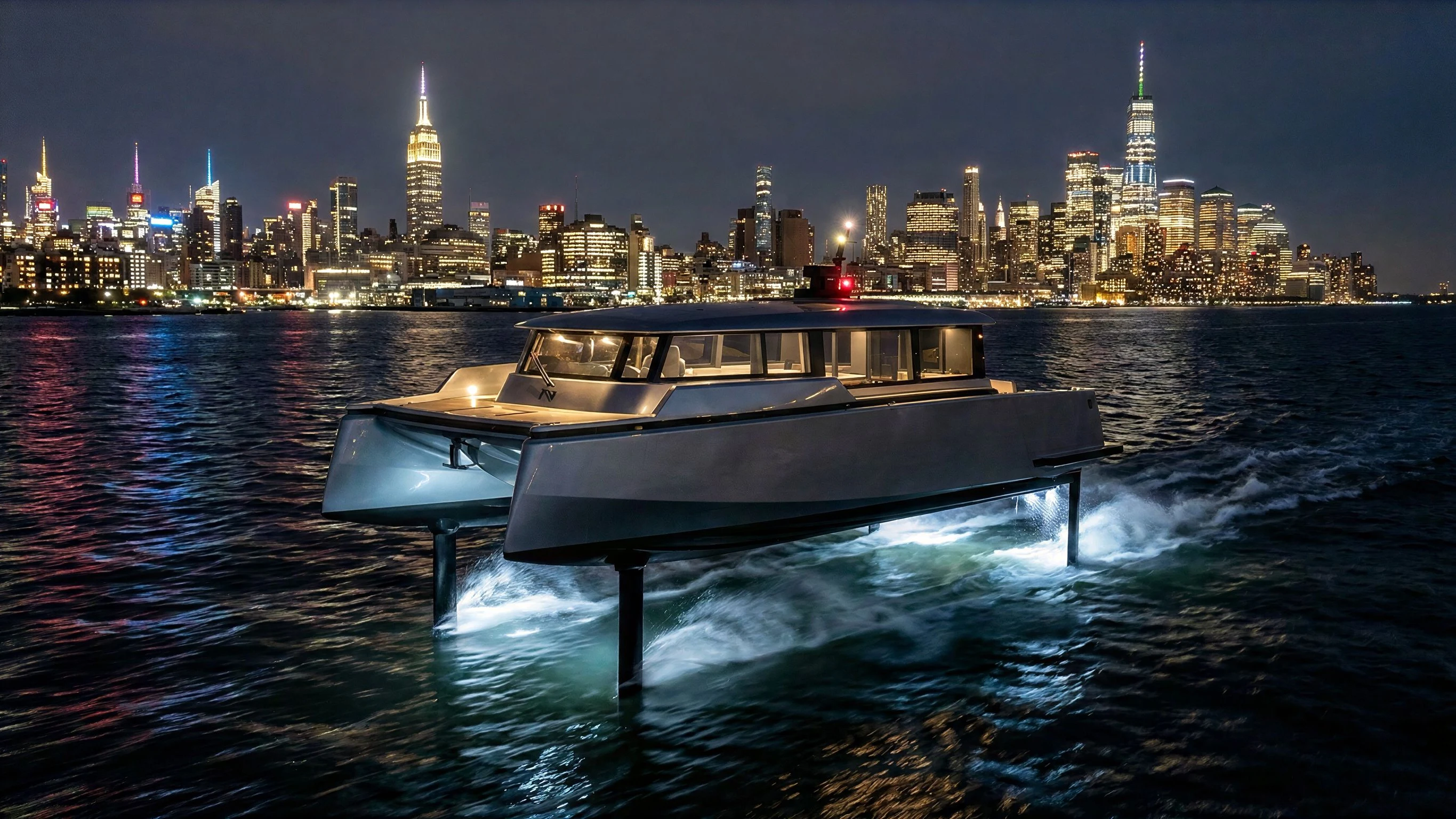
Skip the traffic, go farther.
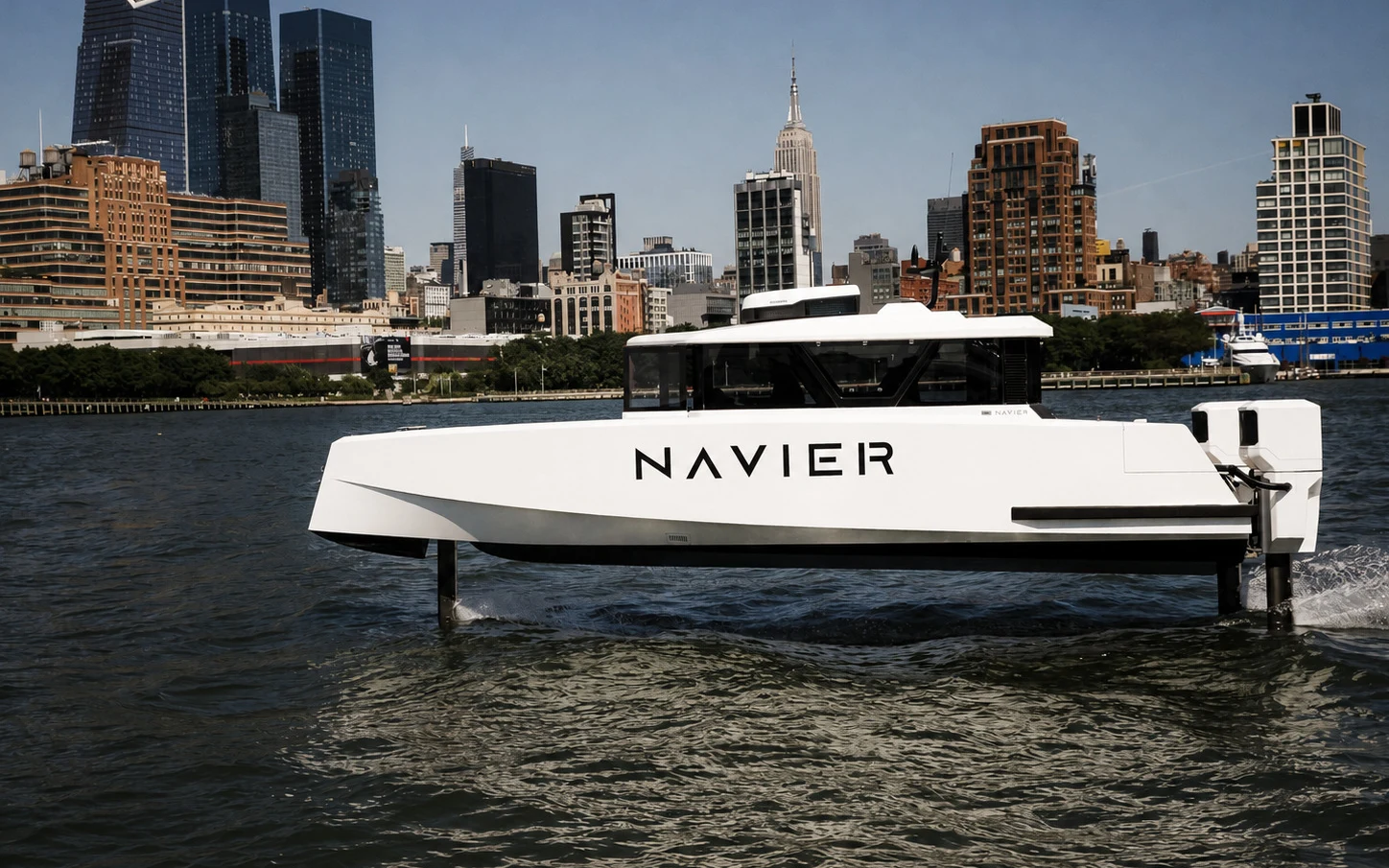
Talk to us about bringing Navier to America’s waterways and coasts →
“Smooth as silk, super quiet, fast, no smelly exhaust, and no wake.”Andrew Thomas, Alameda County planning director · TechCrunch
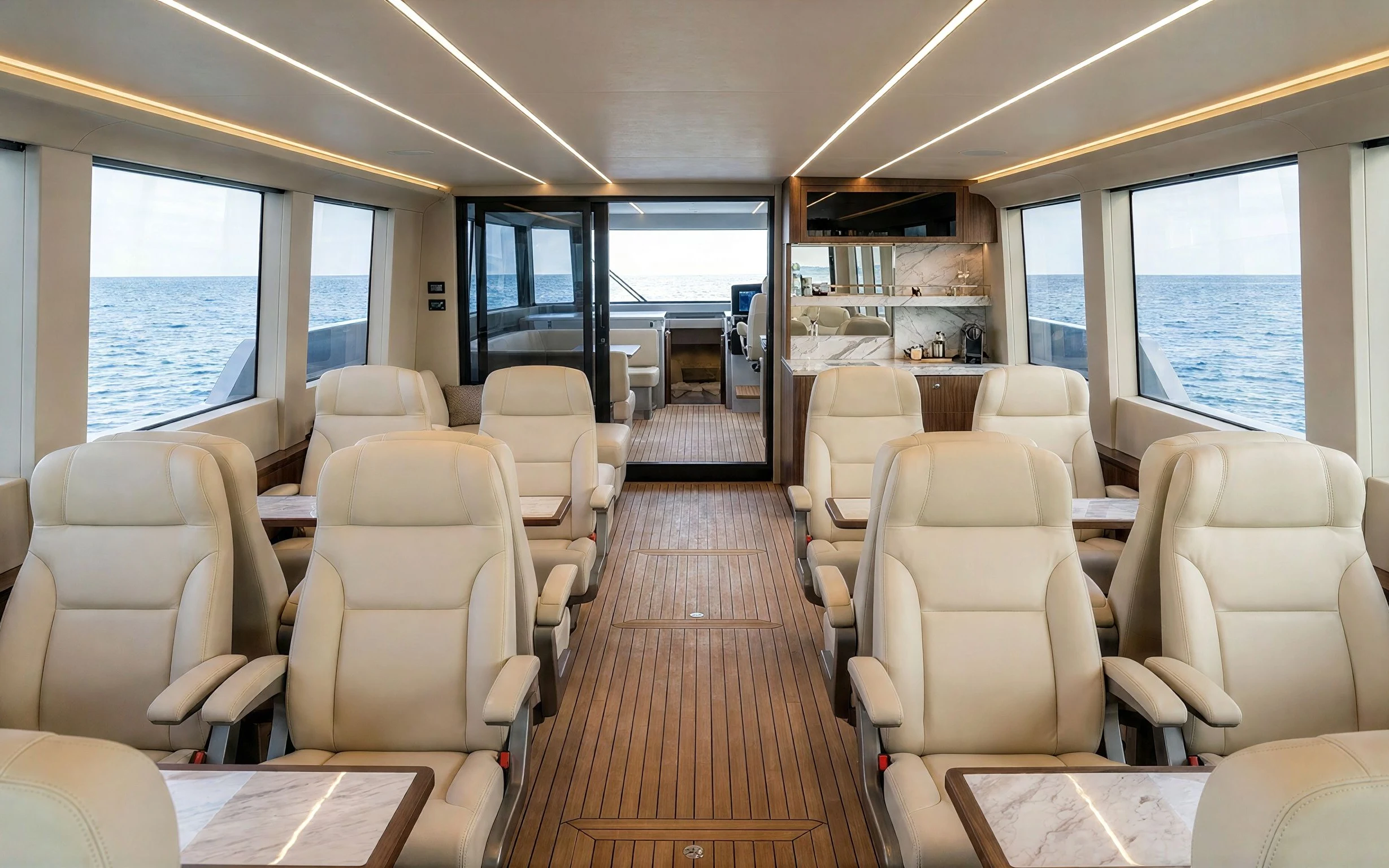
 In design
, from 2028. One platform, configured for the route: commuter seating, a first-class cabin, or passengers and cargo together.
 In design
High-frequency passenger service on the same platform.
Offshore and industrial
Crew changes, specialists, urgent parts, inspection and resupply still ride large hulls at 8 to 12 knots. Navier sizes the vessel to the run and flies it above the chop, so crews arrive fit to work and each mile costs less.
Technicians and crews out and back at speed, to wind farms and platforms.
A small, fast hull for a small load, in place of a full-size supply boat.
Short-sea runs for perishable and time-critical goods.
The same flight control runs crewed or uncrewed.
Quanta, the 30 ft hybrid. 2,200 lb in a 6 × 4 ft bay, or a crew of eight. 1,000 nmi with crew aboard, 2,100 nmi uncrewed (calculated, before reserve). Foilborne in Sea State 4, with 94% fewer slams than a 28-ft RIB (measured).
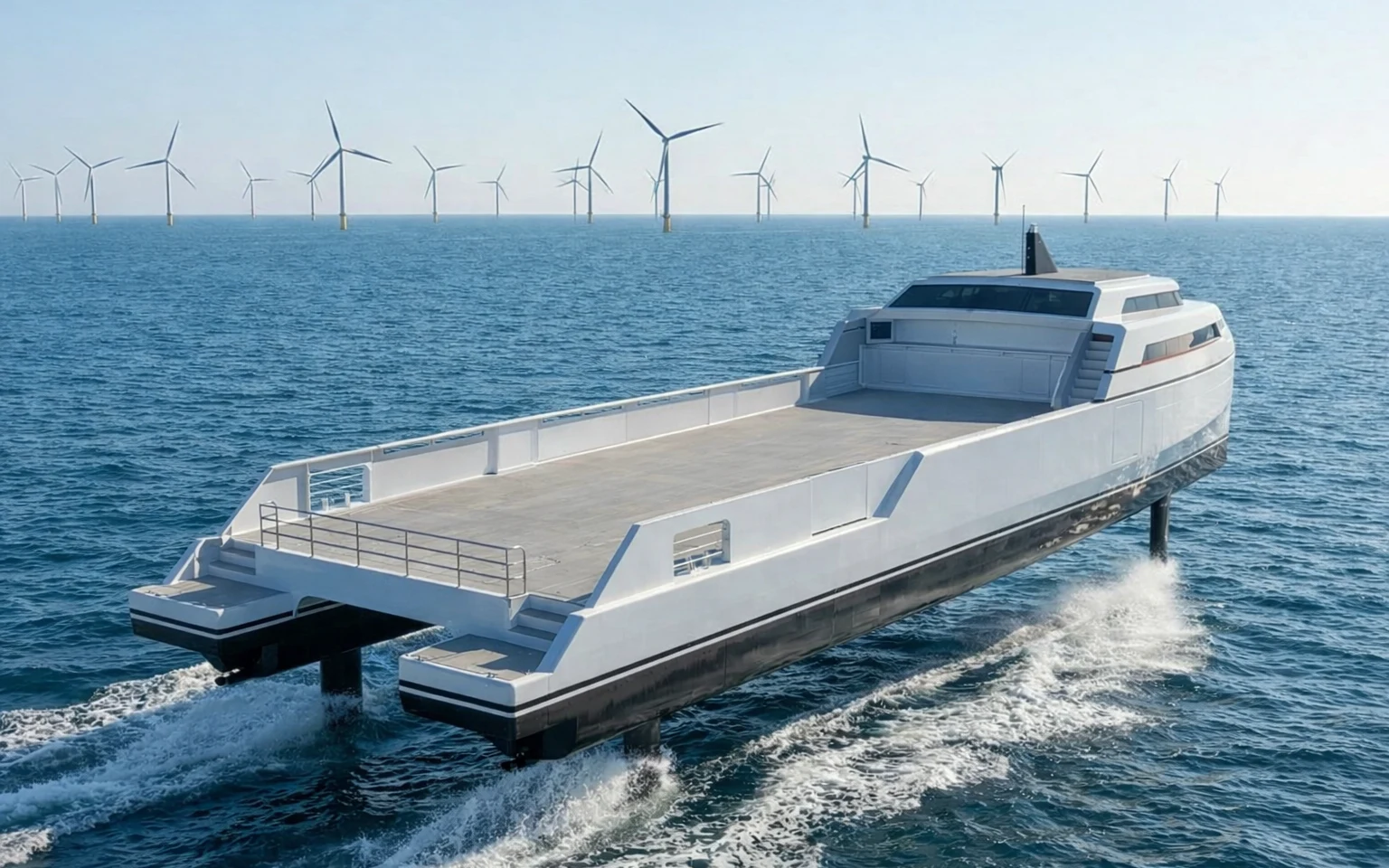 Concept
N30 in service. N45 in design, from 2028. N80 in design. N180 concept.
Start with a paid pilot on one route, measured against the boats that run it today.
We reply within two working days to scope your route.